Building a humanist design practice across the whole hospital.
I created Humanist Design Studios, led and developed an 8–10 person team, and built the shared standards behind patient, staff, software, hardware, physical-space, and robotics experiences.
Created the practice. Developed the people. Stayed in the work.
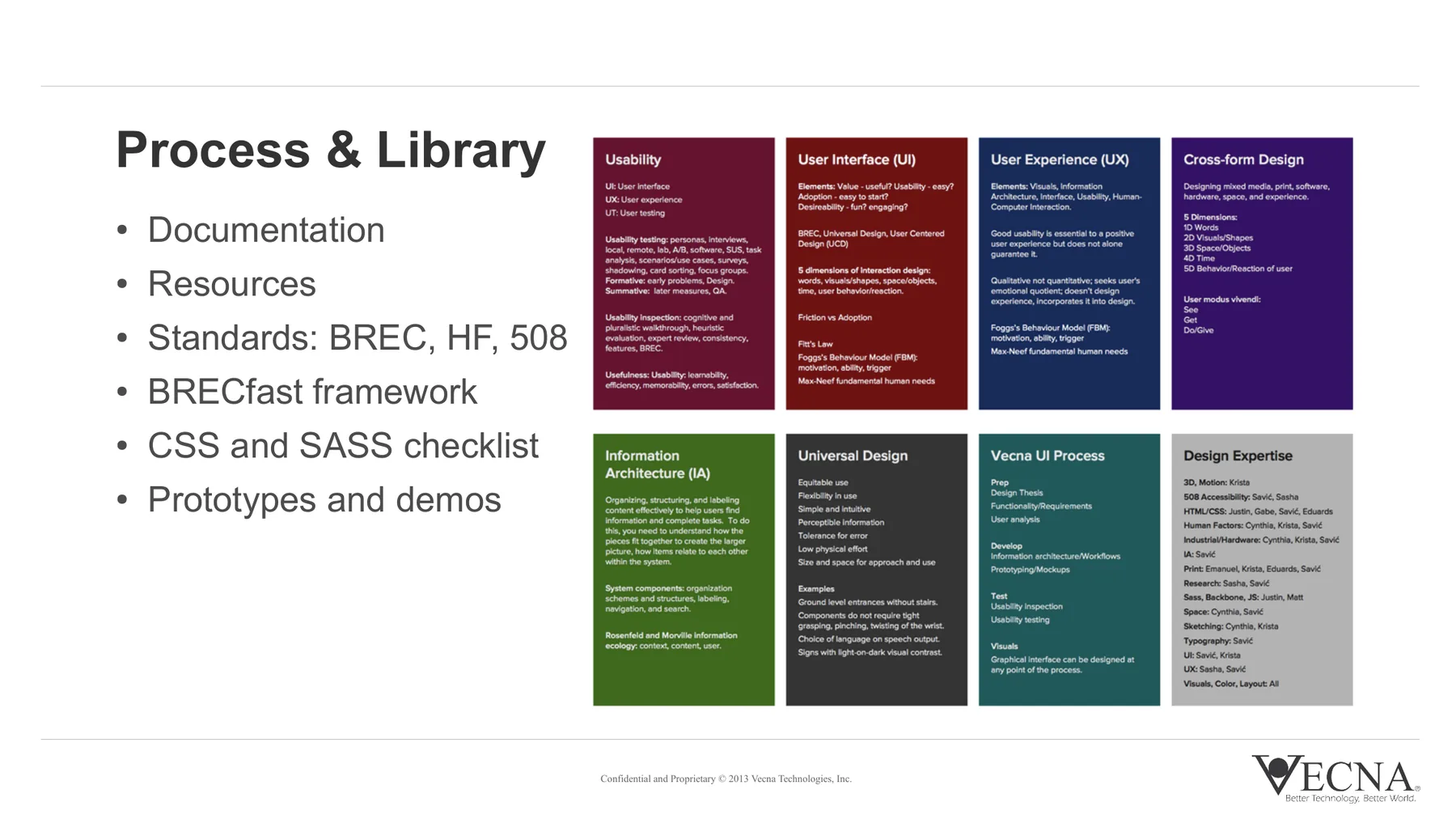
HDS connected UX, UI, research, accessibility, human factors, front-end guidance, and design innovation across Vecna.
Mentored every designer
Direct critique, increasing ownership, and explicit career paths—not only project assignments.
Built shared judgment
A common bar for research, accessibility, interaction, systems, and visual quality.
Made design cross-functional
Product, engineering, clinical operations, deployment, sales, and robotics HMI.
Led as a player-coach
Prototypes, workflows, usability studies, interaction decisions, and standards remained part of my job.
Made quality portable across products, clients, devices, and spaces.
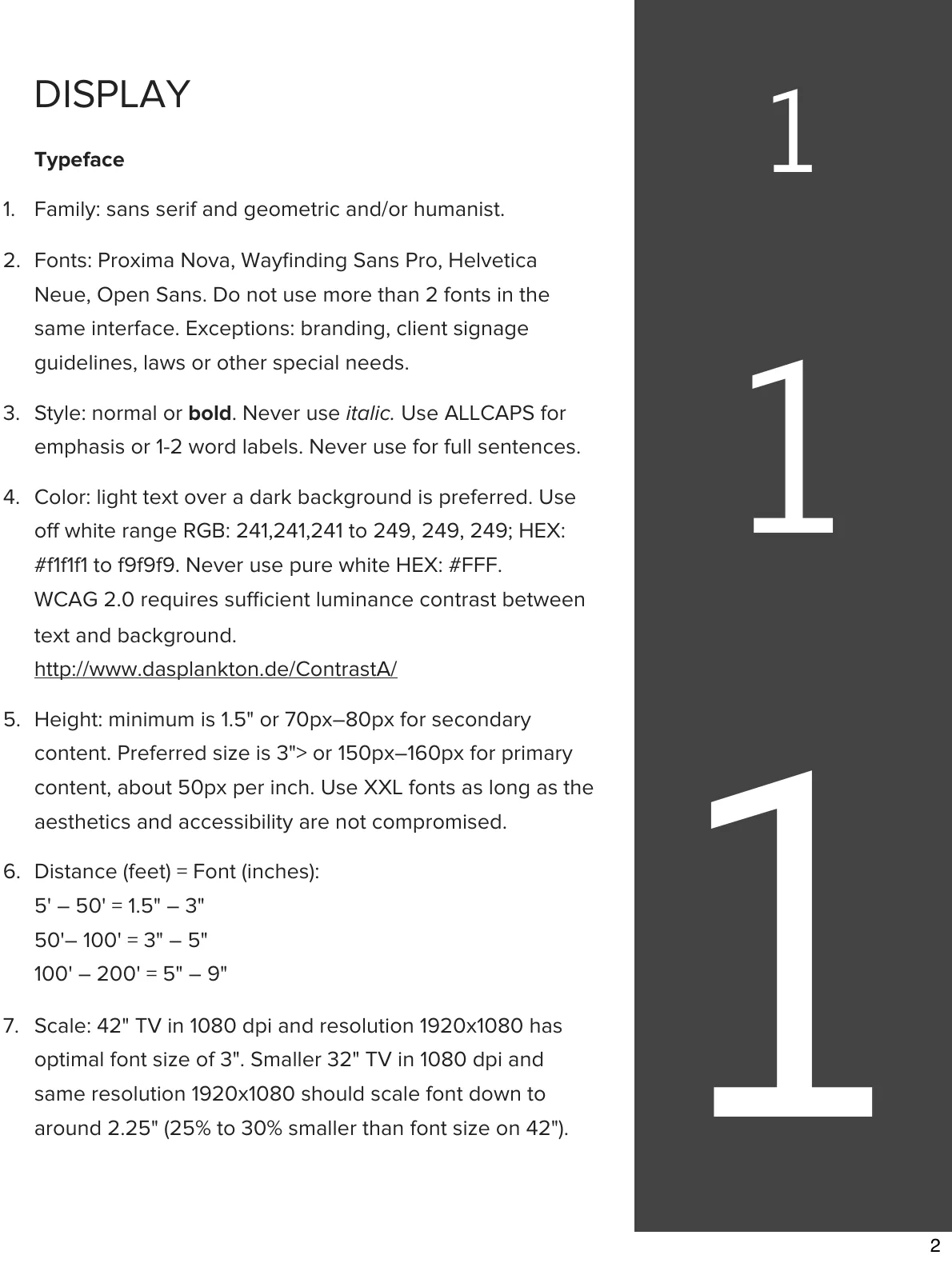
Beautiful, Responsive, Ergonomic, Configurable: practical design and implementation rules rather than a decorative style guide.
Beautiful
Functional clarity and consistency.
Responsive
Understandable feedback across device, content, and time.
Ergonomic
Accessible and efficient across physical and cognitive needs.
Configurable
Adaptable without fragmenting the experience.
Used field behavior to settle consequential product questions.
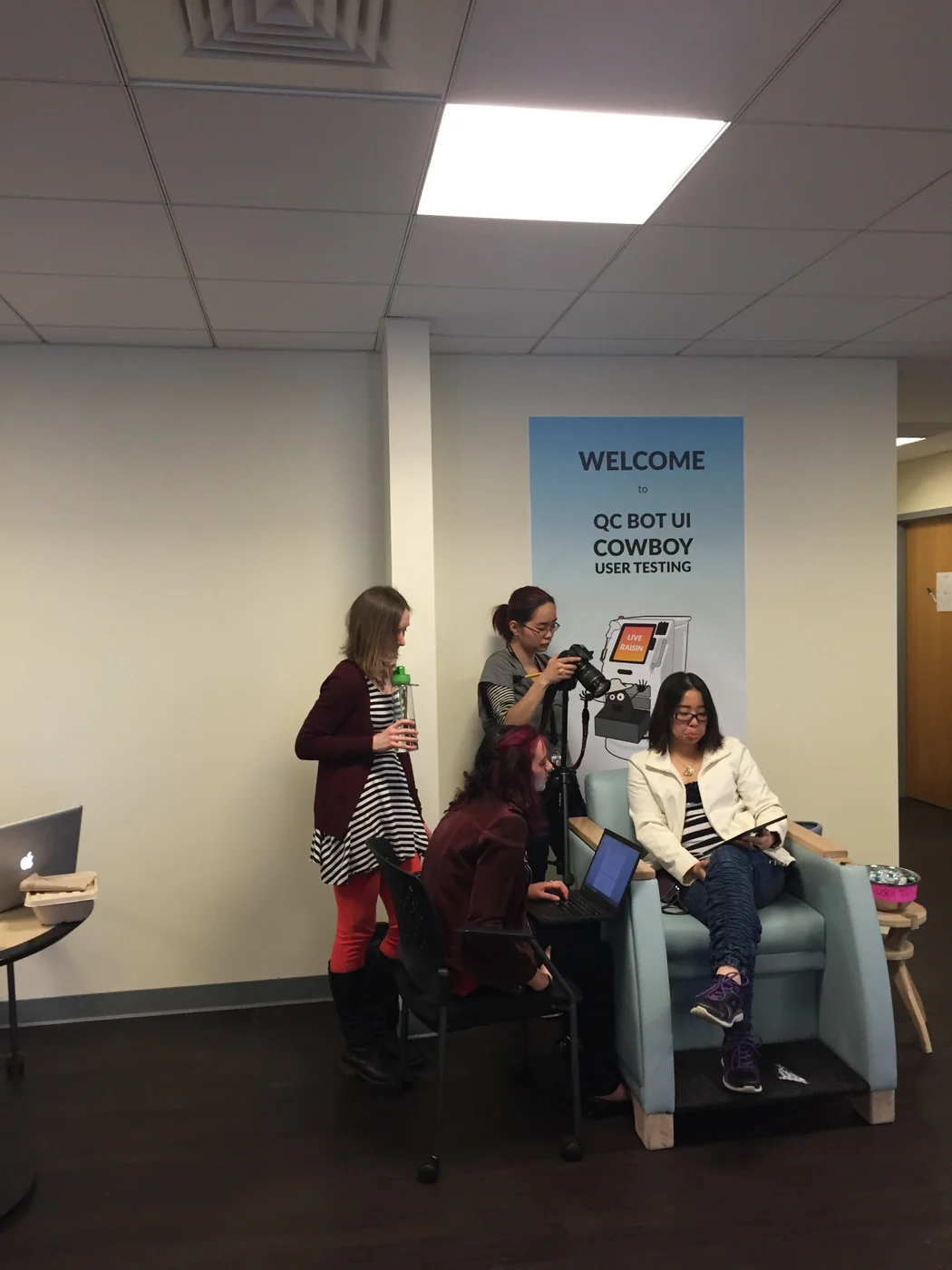
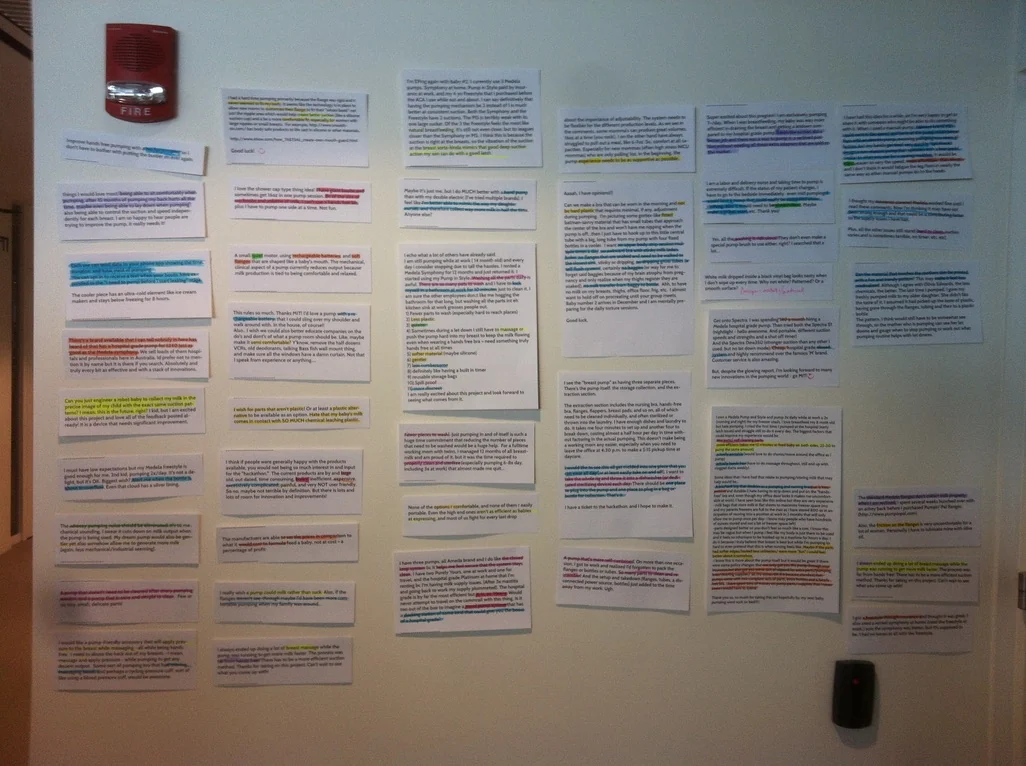
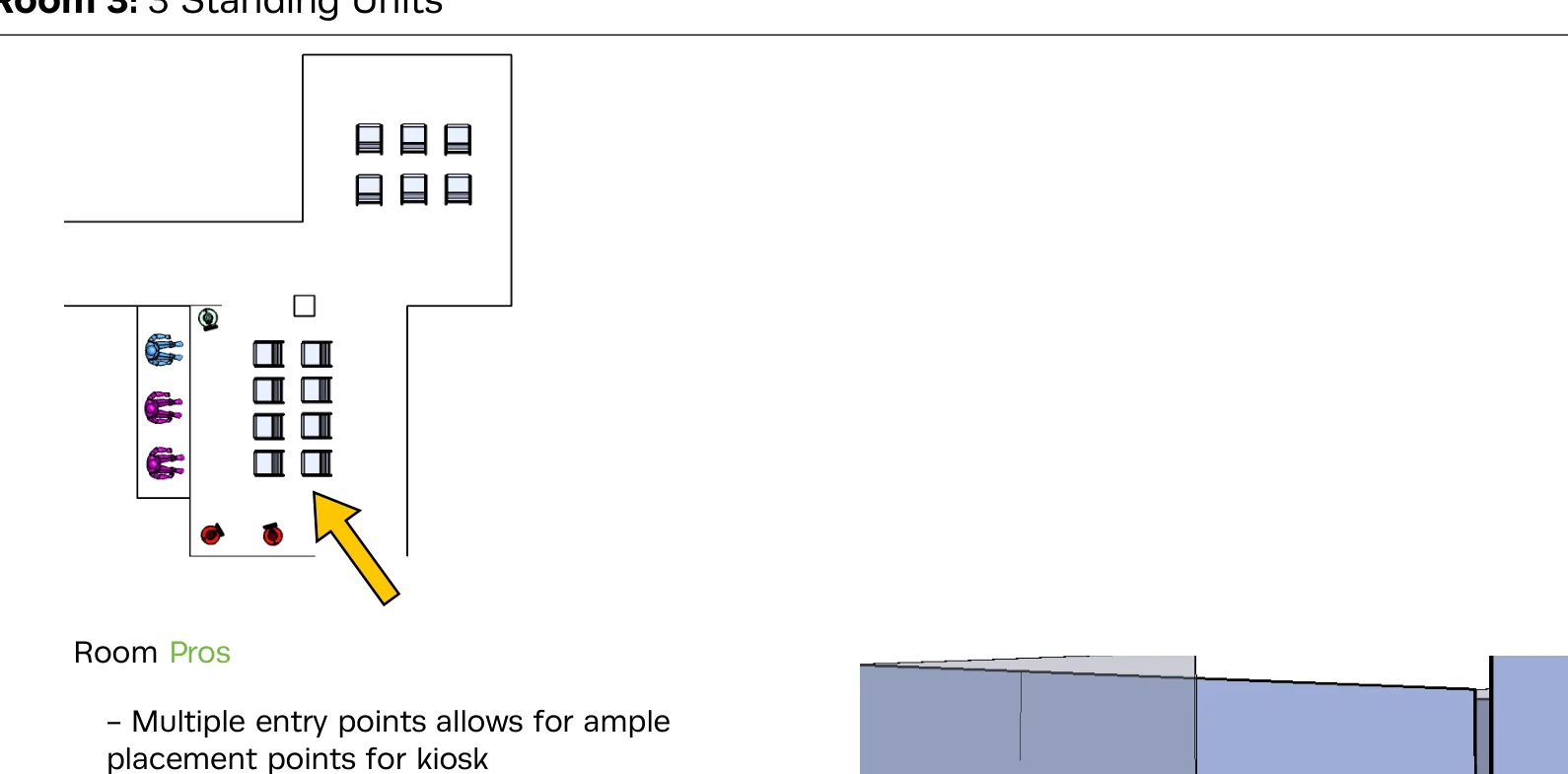
Contextual inquiry, observation, prototypes, A/B comparisons, and staff testing connected patient behavior to operational reality.
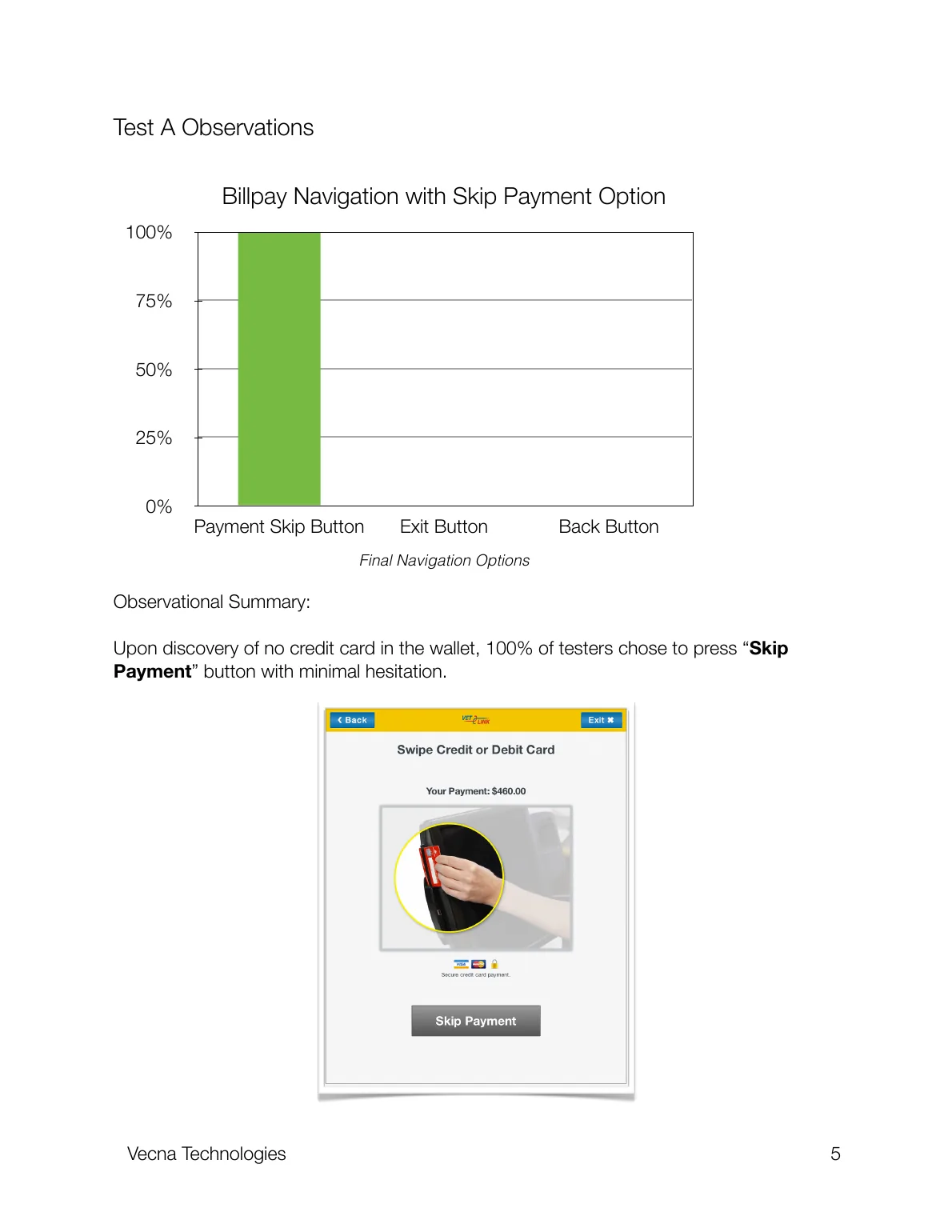
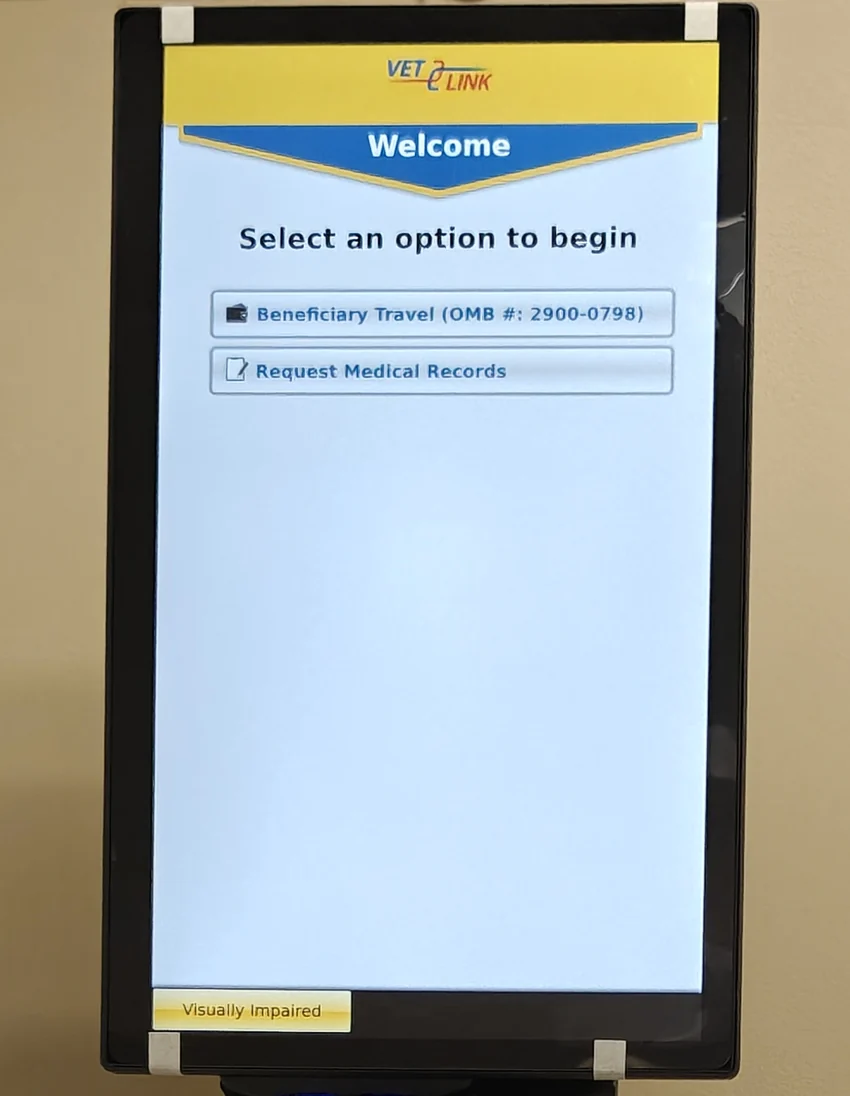
Give people an honest escape route.
Without it, half exited the kiosk and others backed out or sought help.
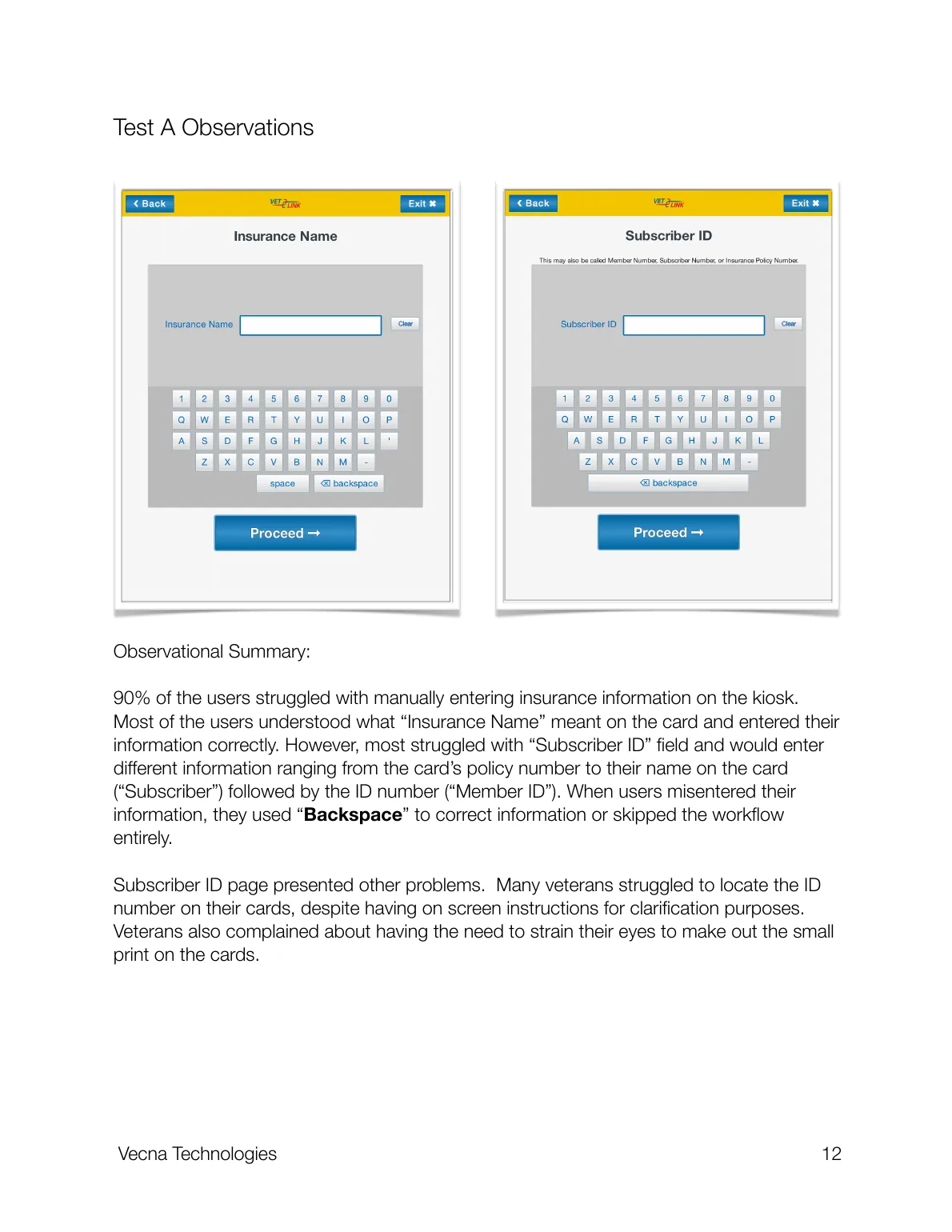
Do not transfer administrative burden blindly.
Staff opposed the workflow because it increased time and reduced data reliability.
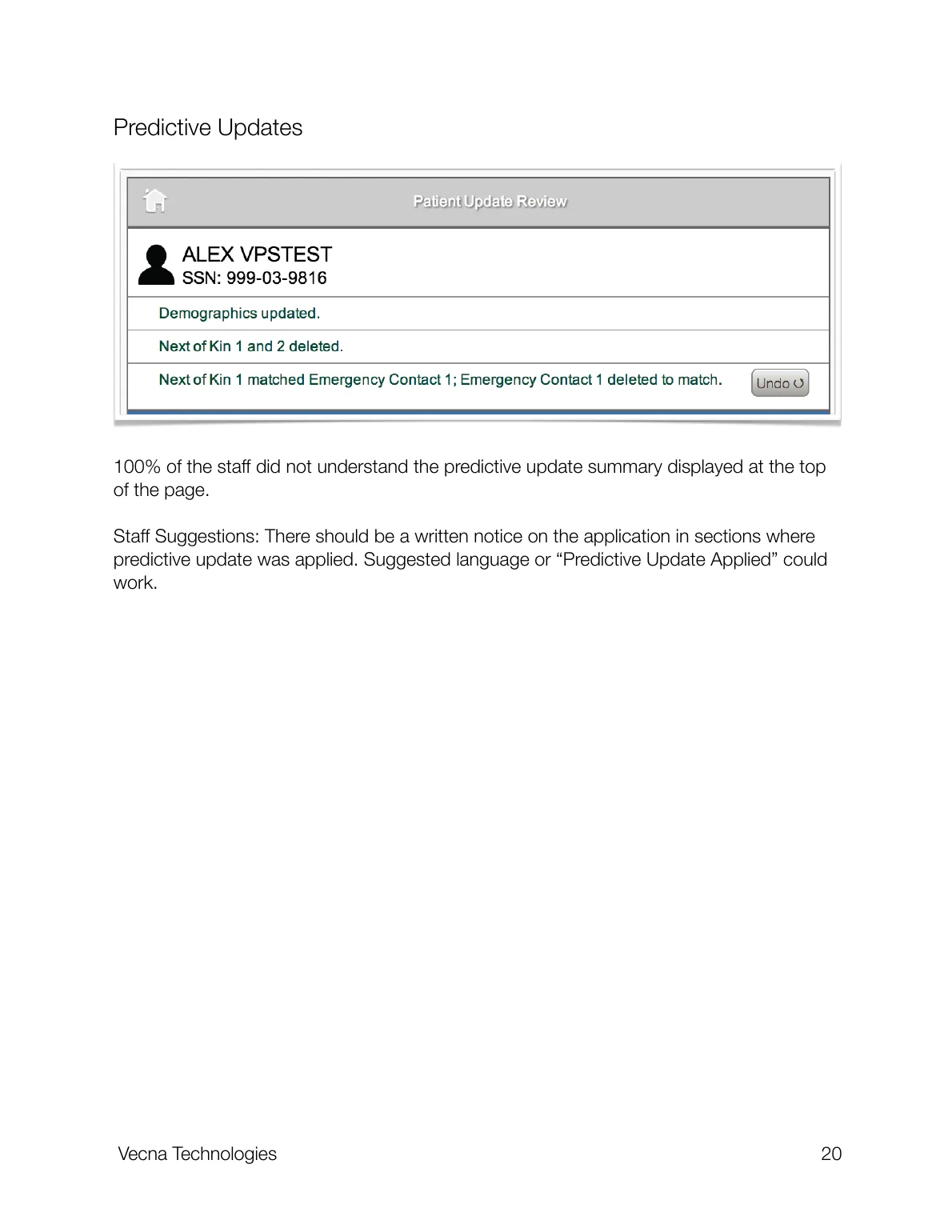
Automation must explain itself.
Staff needed visible changes, explicit review, and clear confirmation before data moved downstream.
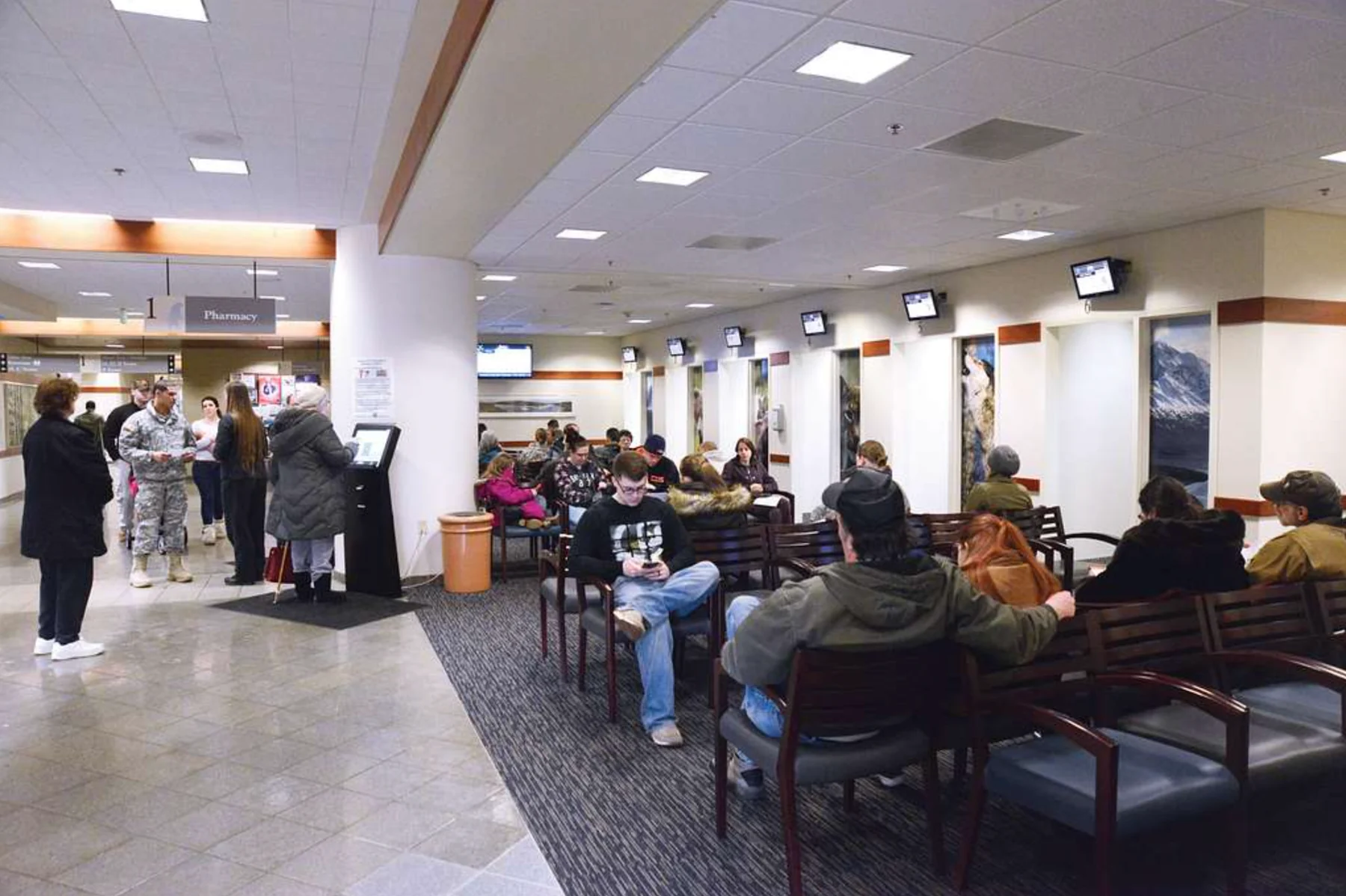
The system had to work in real hospitals—not just in product files.
VA, DoD, Tenet, Northwestern Memorial, Trinity, Halton, and robotics: durable principles with configurable institutional rules.
The visible product improved. The design capability lasted.
The result was not one polished kiosk. It was a team, a method, a system, and a repeatable way to connect evidence to delivery.
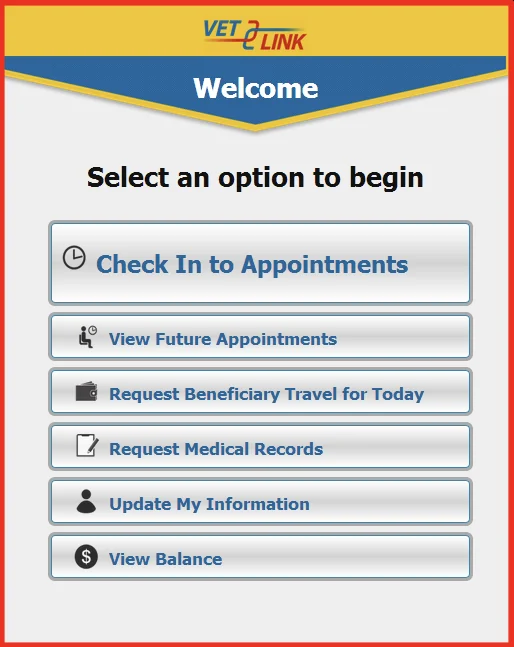
Faster check-in at national scale.
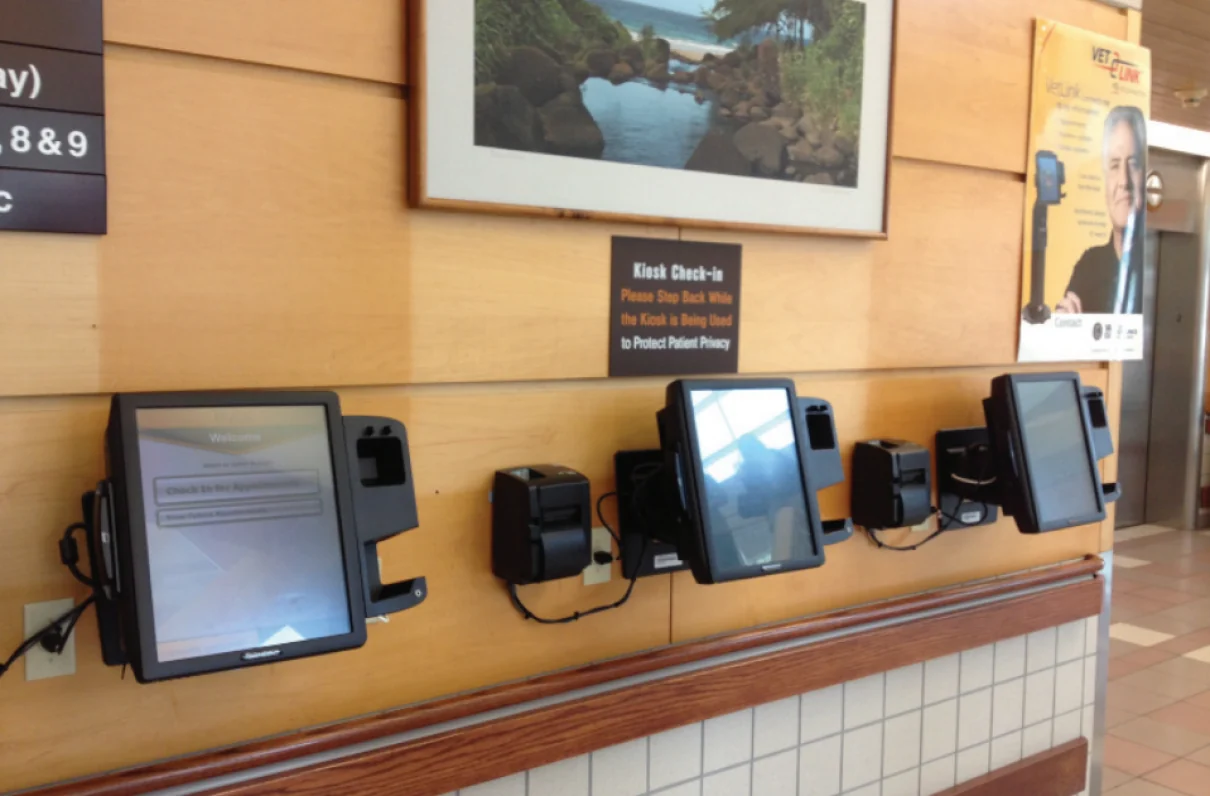
Average patient check-in fell from roughly 40 minutes to about two across a program deployed to 154 VA medical centers.
A design capability that outlasted any one release.
HDS connected an 8–10 person team, research discipline, accessibility, shared judgment, and BREC implementation standards.